





 English
Neueste Updates
-
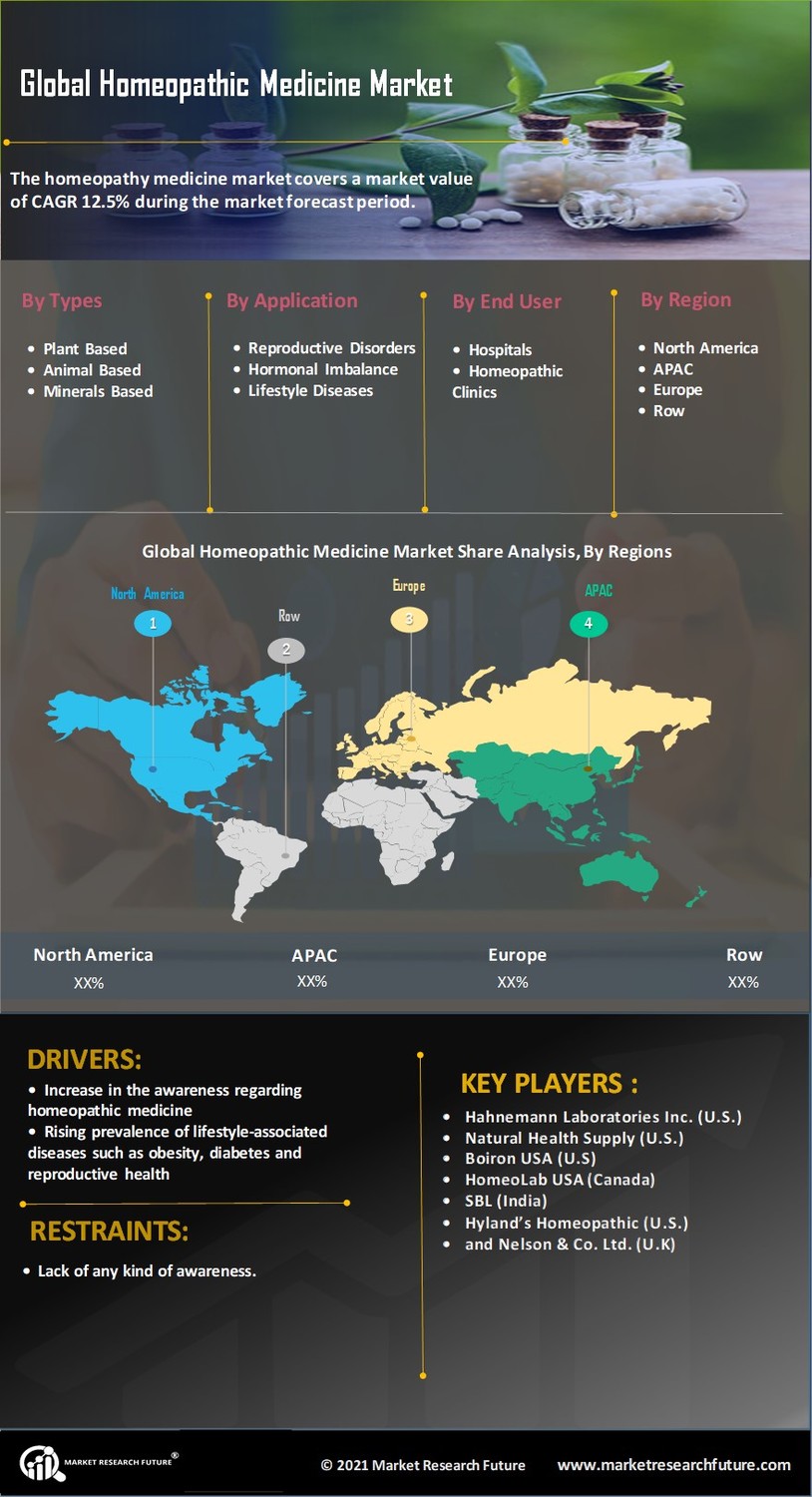
The Homeopathic Medicine Market Data infrastructure encompasses diverse information sources including sales transaction data, prescribing pattern records, manufacturing production statistics, import-export trade flows, regulatory approval databases, clinical research repositories, and consumer survey findings that collectively enable evidence-based strategic planning. Data availability challenges persist due to market fragmentation, proprietary information protection by private companies, inconsistent reporting standards across jurisdictions, and significant informal market activities particularly in developing economies that evade systematic data capture. Primary data collection methodologies employ point-of-sale systems in organized retail channels, manufacturer shipment tracking, prescription audits in countries with homeopathic medical practice regulation, and direct surveys of practitioners and consumers to understand usage patterns. Secondary data compilation aggregates government statistics, trade association reports, academic publications, regulatory filings, and commercial market research databases to construct comprehensive market intelligence. Data quality concerns arise from definitional inconsistencies regarding what products qualify as homeopathic, varying inclusion criteria across data sources, and potential biases in self-reported survey data from stakeholders with commercial interests.
Read More : https://www.marketresearchfuture.com/reports/homeopathic-medicine-market-4411The Homeopathic Medicine Market Data infrastructure encompasses diverse information sources including sales transaction data, prescribing pattern records, manufacturing production statistics, import-export trade flows, regulatory approval databases, clinical research repositories, and consumer survey findings that collectively enable evidence-based strategic planning. Data availability challenges persist due to market fragmentation, proprietary information protection by private companies, inconsistent reporting standards across jurisdictions, and significant informal market activities particularly in developing economies that evade systematic data capture. Primary data collection methodologies employ point-of-sale systems in organized retail channels, manufacturer shipment tracking, prescription audits in countries with homeopathic medical practice regulation, and direct surveys of practitioners and consumers to understand usage patterns. Secondary data compilation aggregates government statistics, trade association reports, academic publications, regulatory filings, and commercial market research databases to construct comprehensive market intelligence. Data quality concerns arise from definitional inconsistencies regarding what products qualify as homeopathic, varying inclusion criteria across data sources, and potential biases in self-reported survey data from stakeholders with commercial interests. Read More : https://www.marketresearchfuture.com/reports/homeopathic-medicine-market-44110 Kommentare 0 Geteilt 23 Ansichten
Mehr Storys